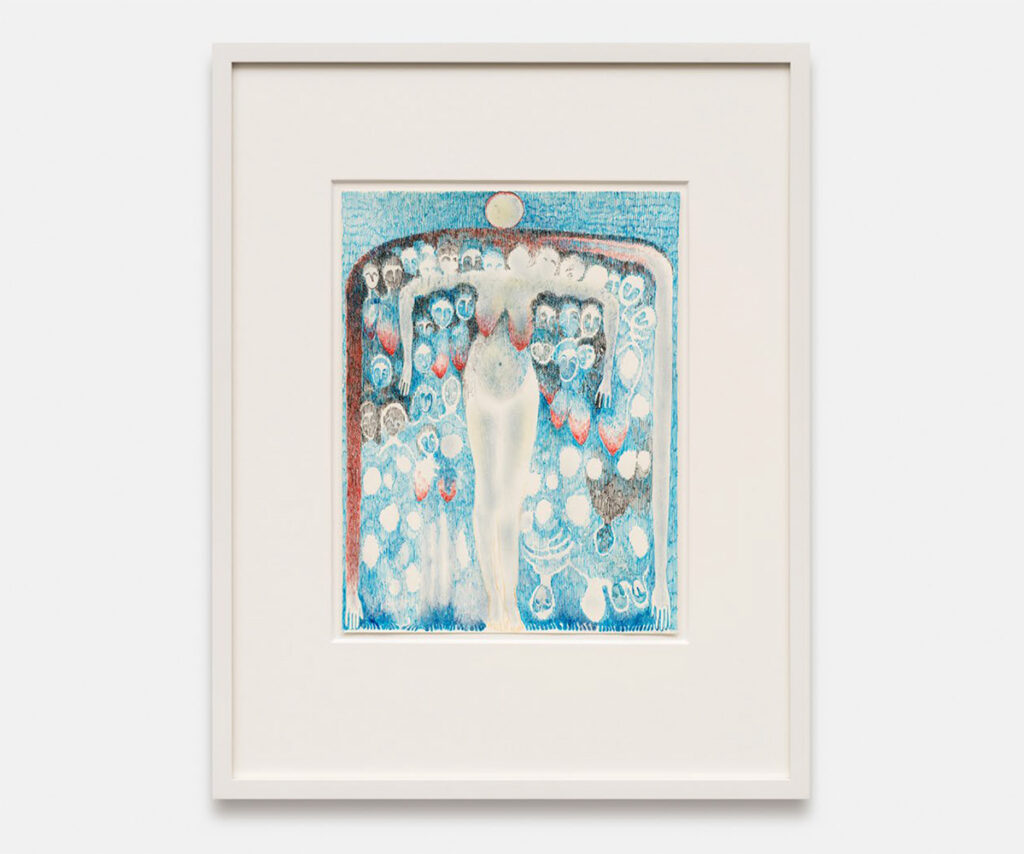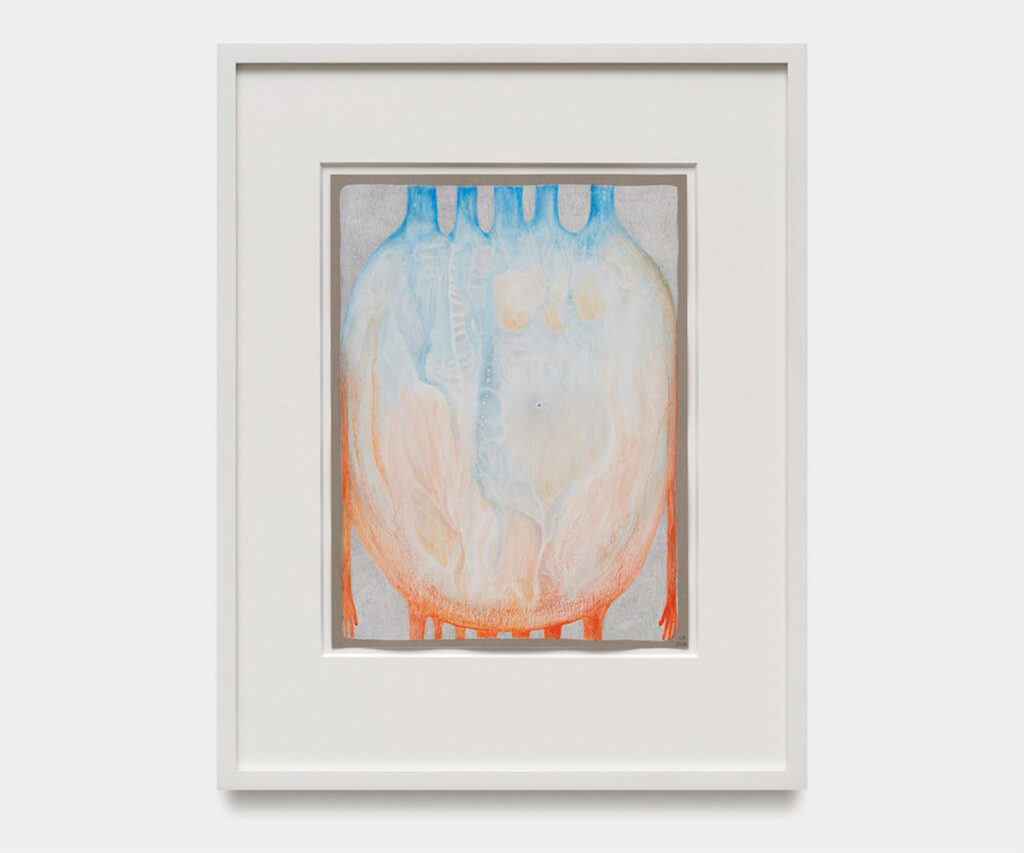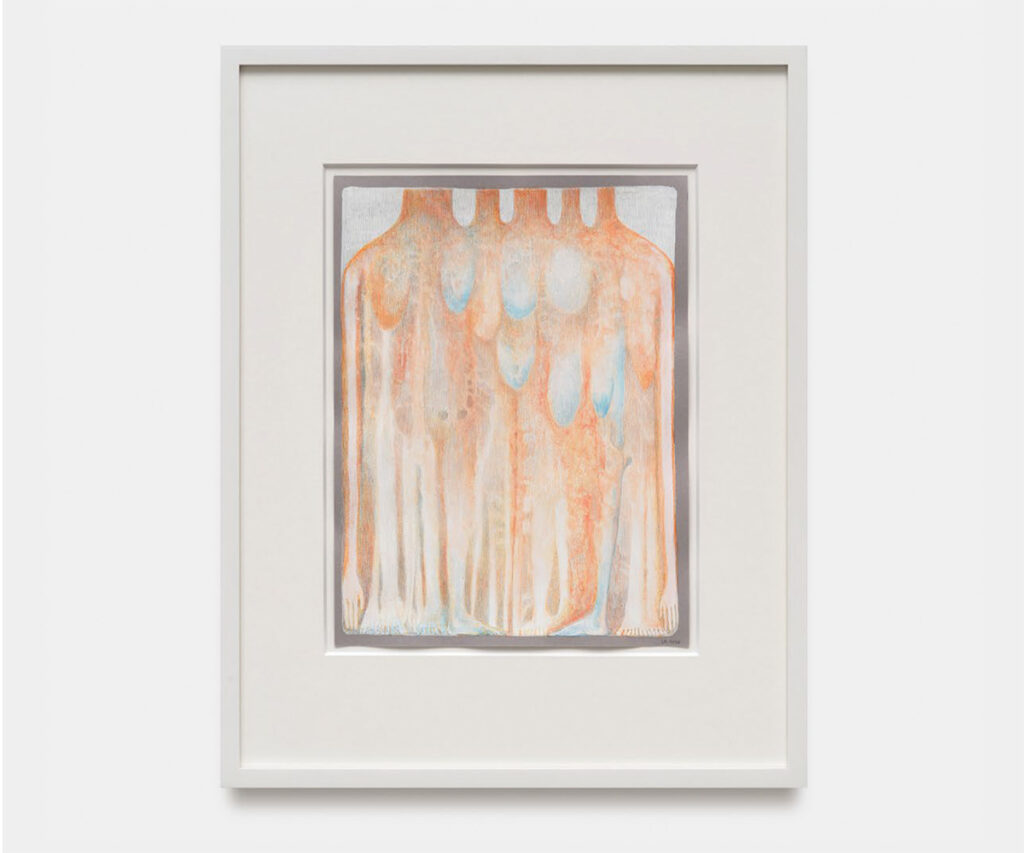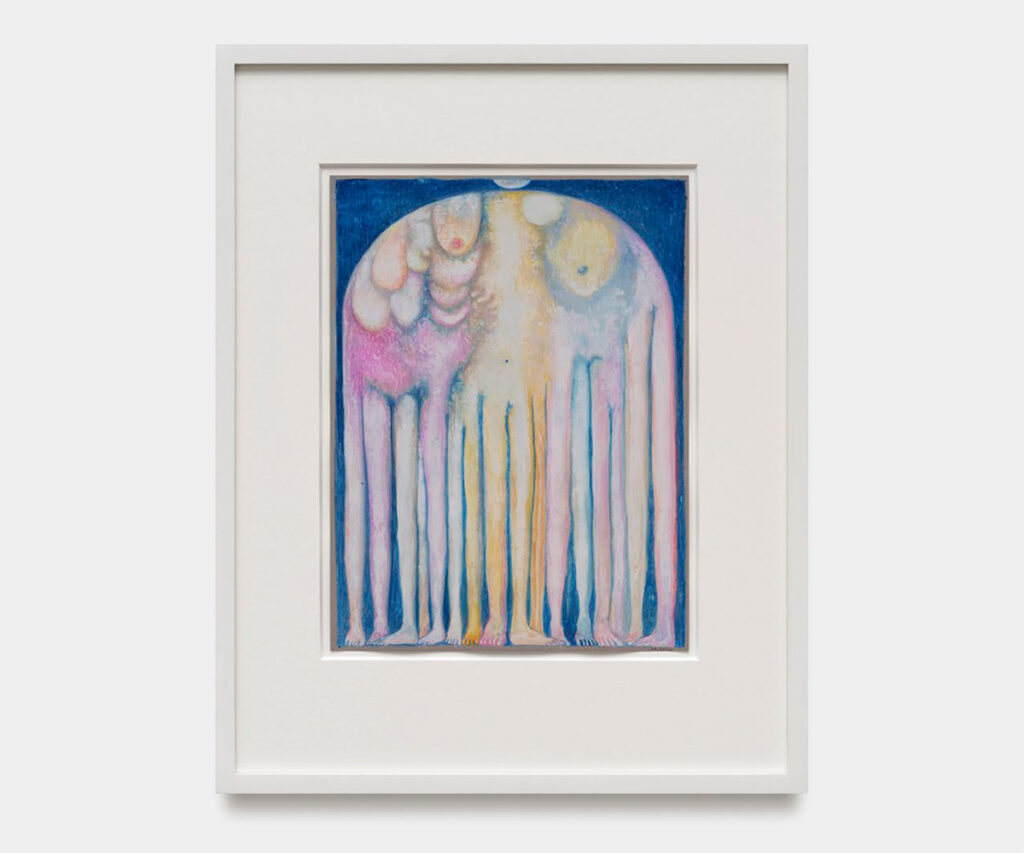
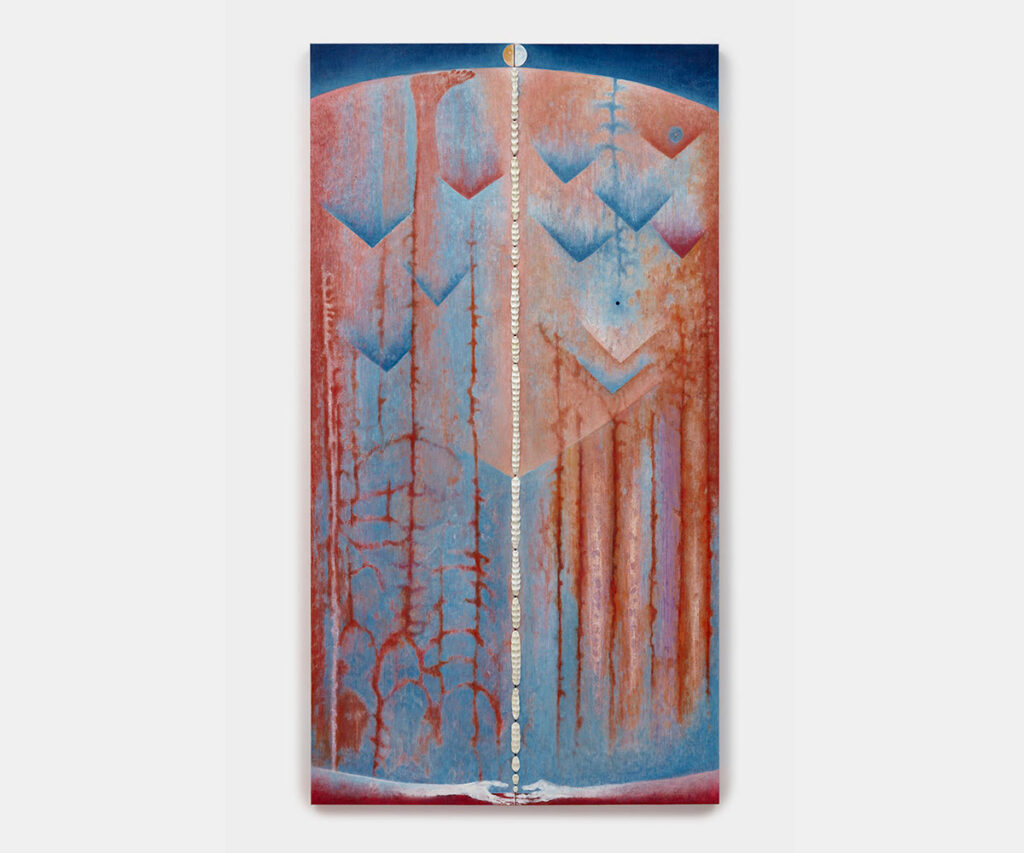
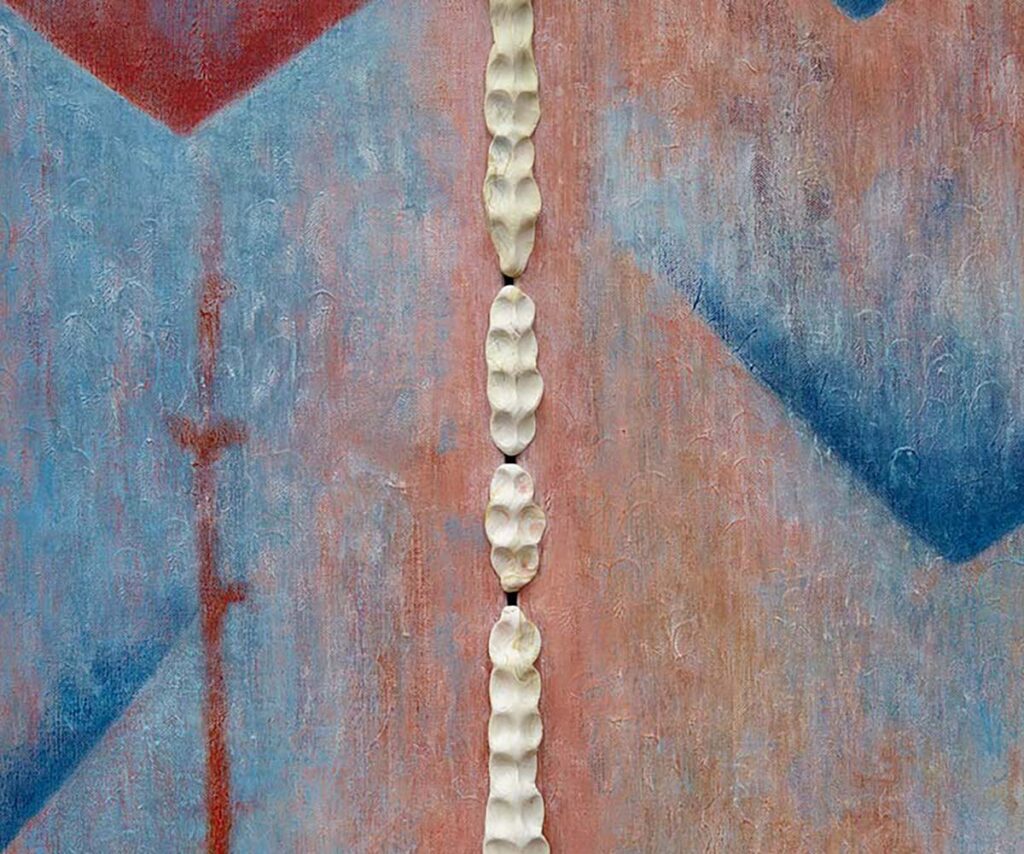
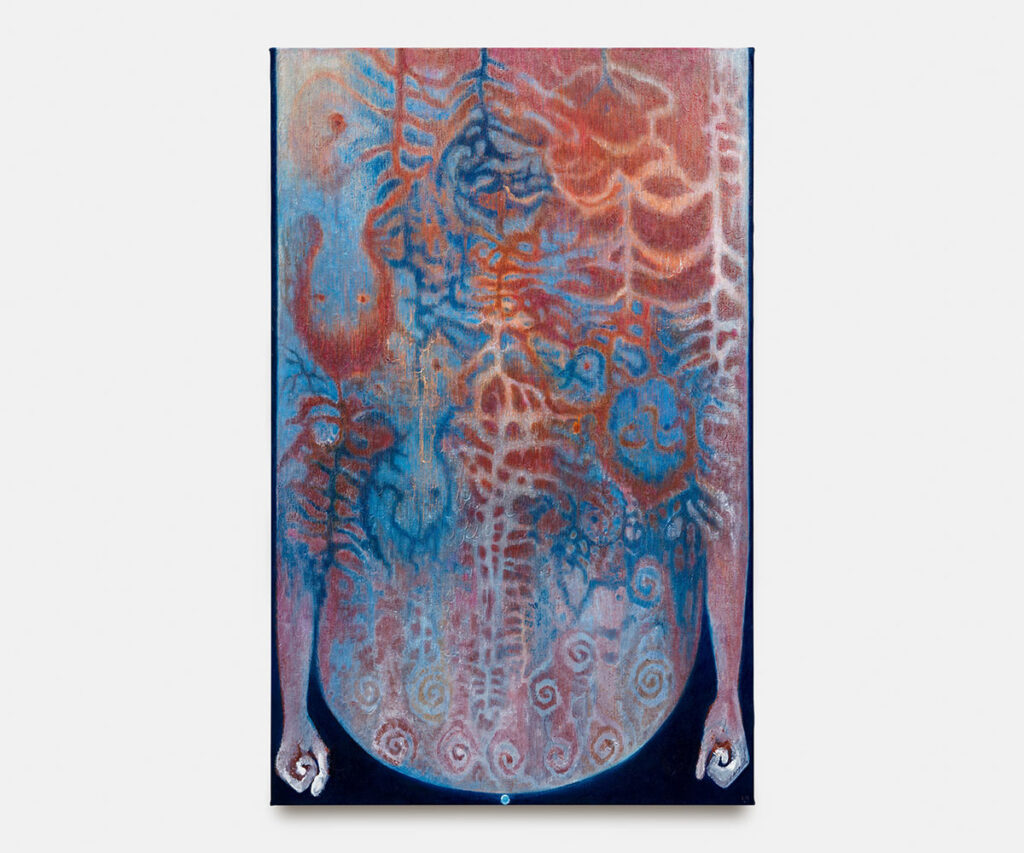
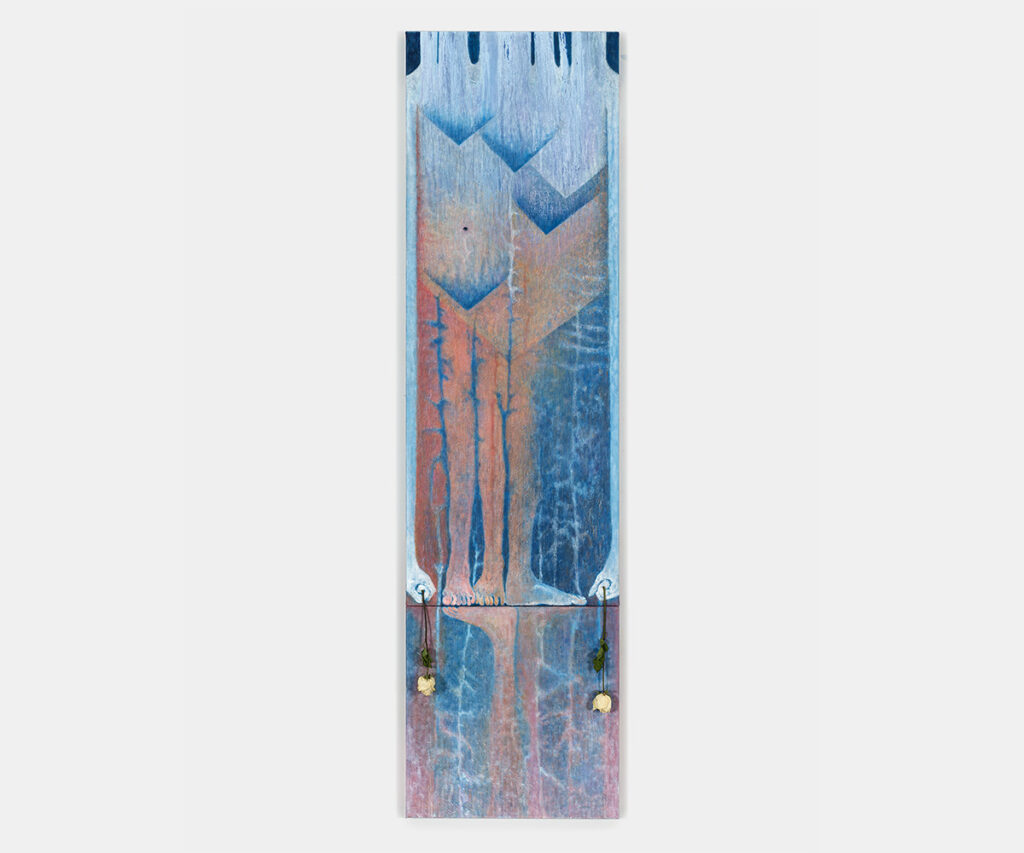
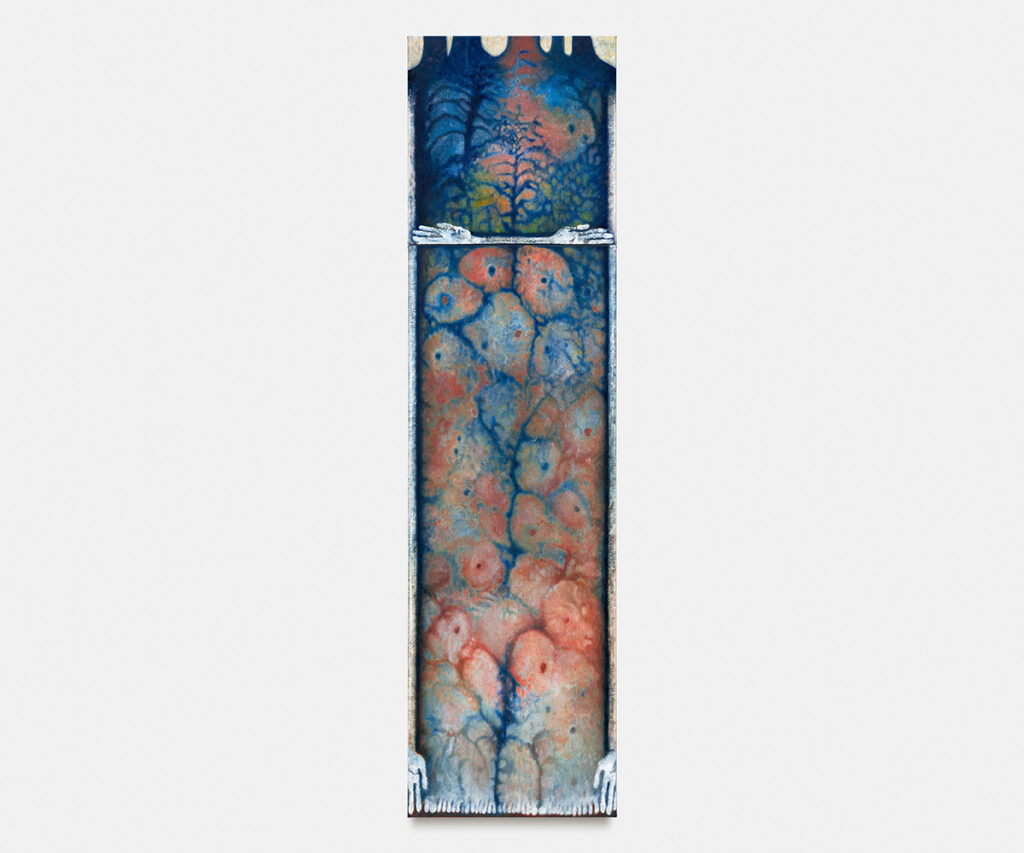
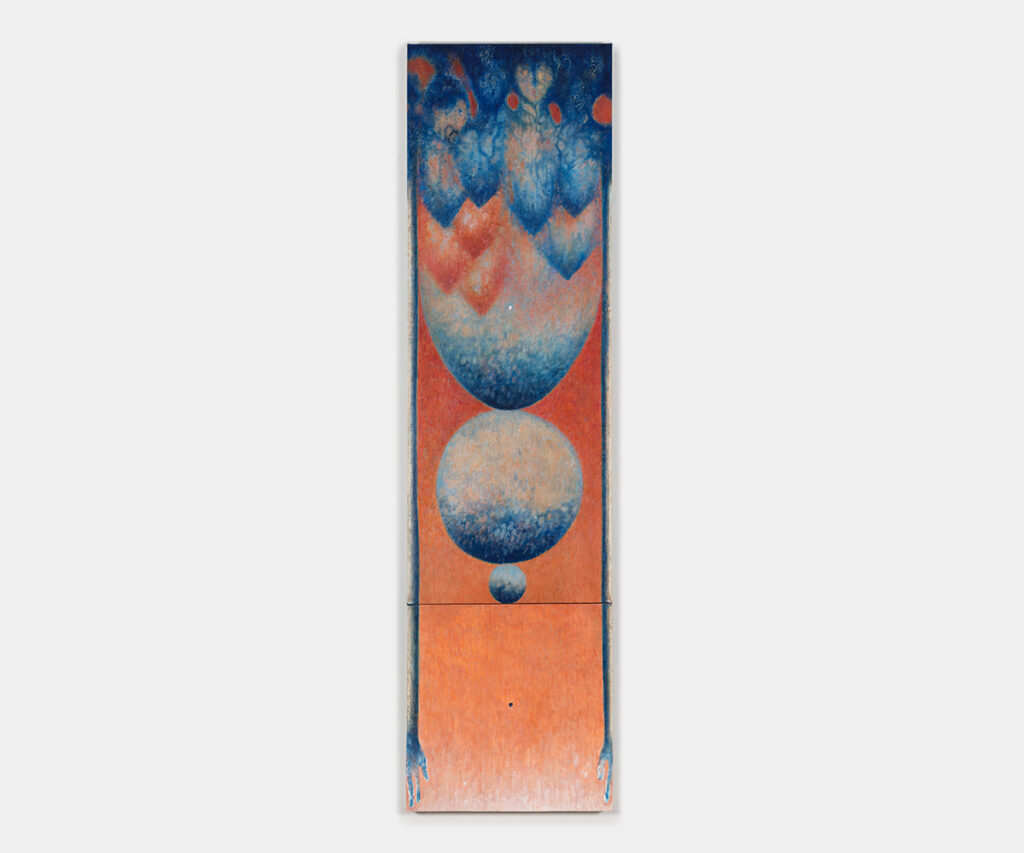
“One highlight is Luisa Rabbia’s large-scale painting, The Transformer (4), where two white hands, edged with red shadows, emerge from the bottom of the canvas as a sculptural, spine-like form rises upward. The canvas becomes a vessel connecting the human figures below with the gods above. Finger-made marks and branching lines, suggestive of veins, trees, or cells, give the work an organic quality. A feminine power of creation emerges, its energy dedicated to women today and the challenges they face.” (Victoria Pokovba. Excerpt from “The Armory Show 2026: 8 Booths Not to Miss, Whitewall Art, Sept 25, 2026)
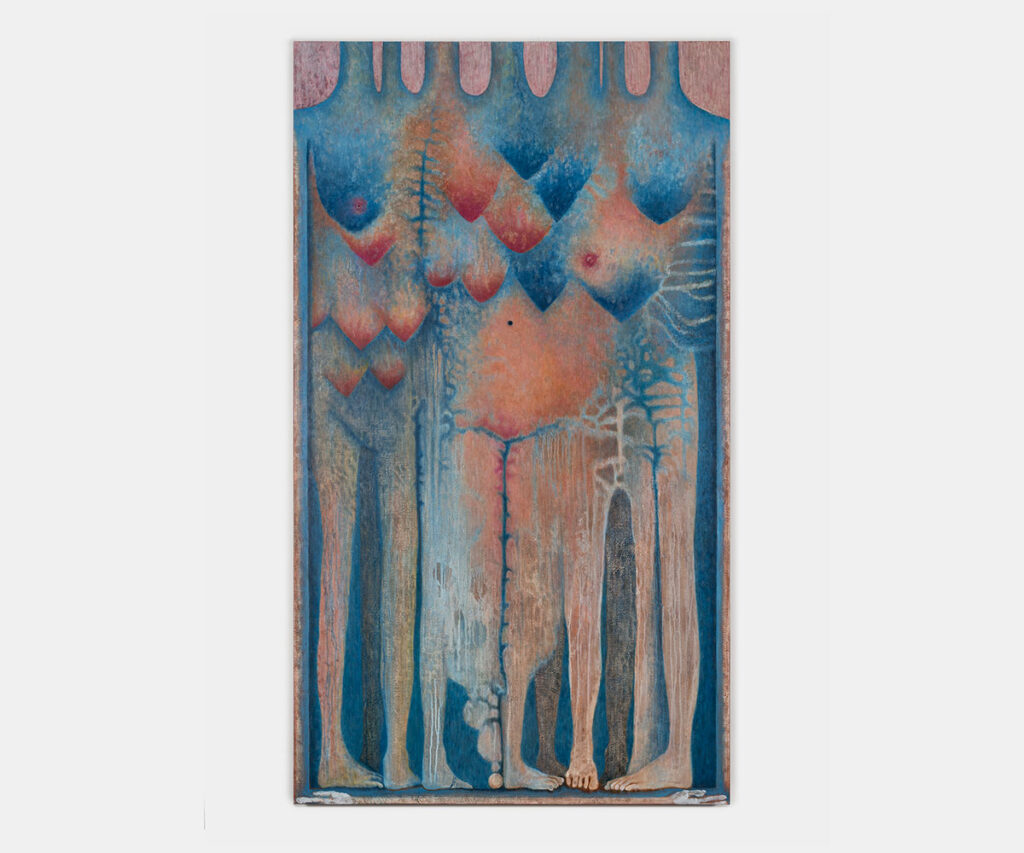
” (…) The body that is the holder, one that turns life, death and energy into new existence, is itself constantly held. By its community. By generation. By something as old as time.” (Thom Oosterhof. Excerpt from Luisa Rabbia: Containing the Container, Tanya Leighton, Berlin, CAI Magazine, September 16, 2026)
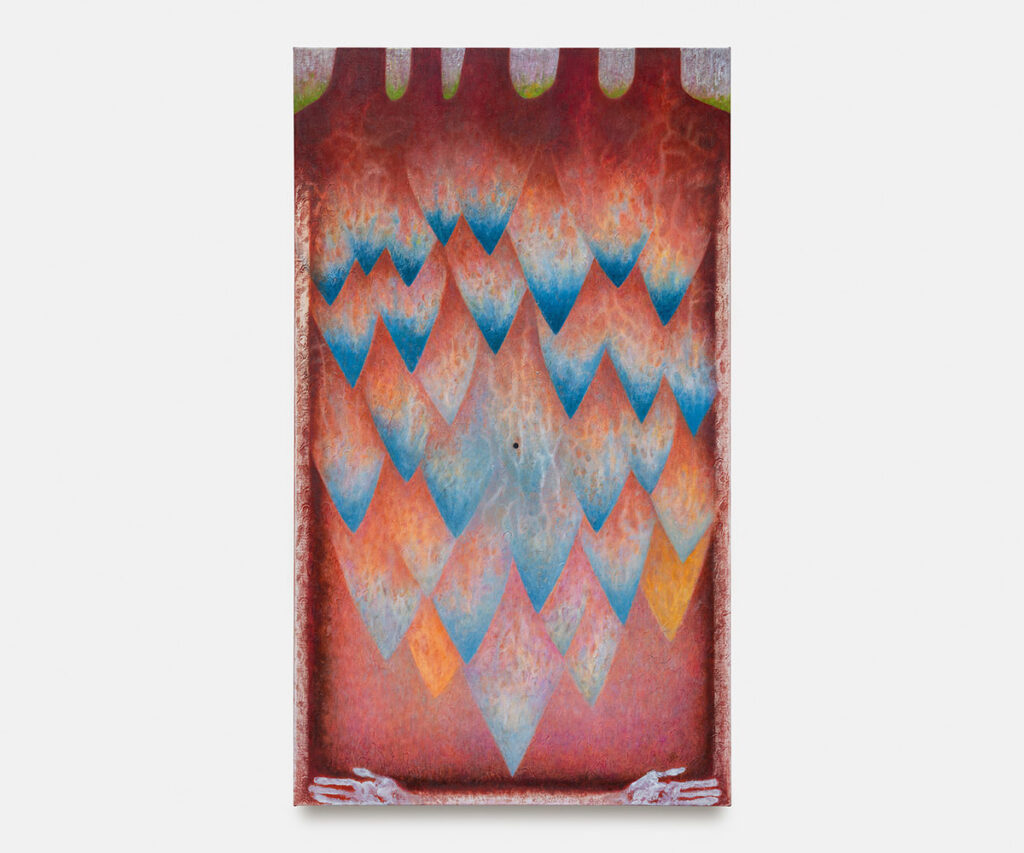
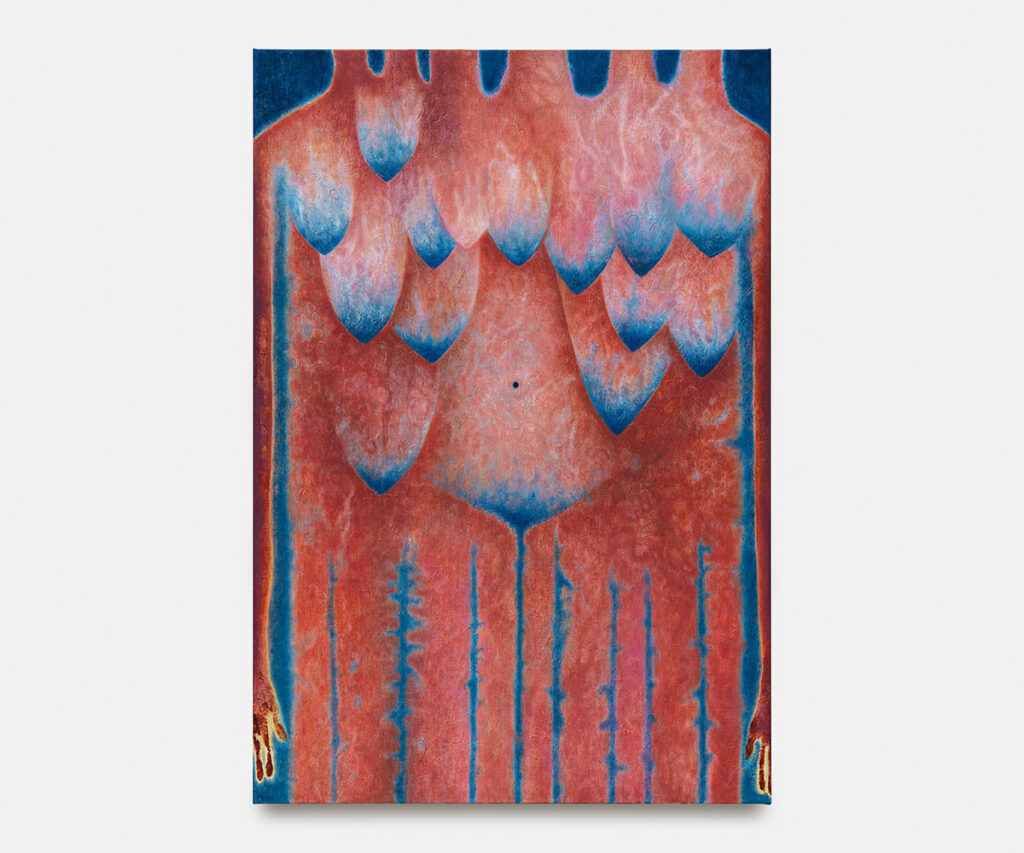
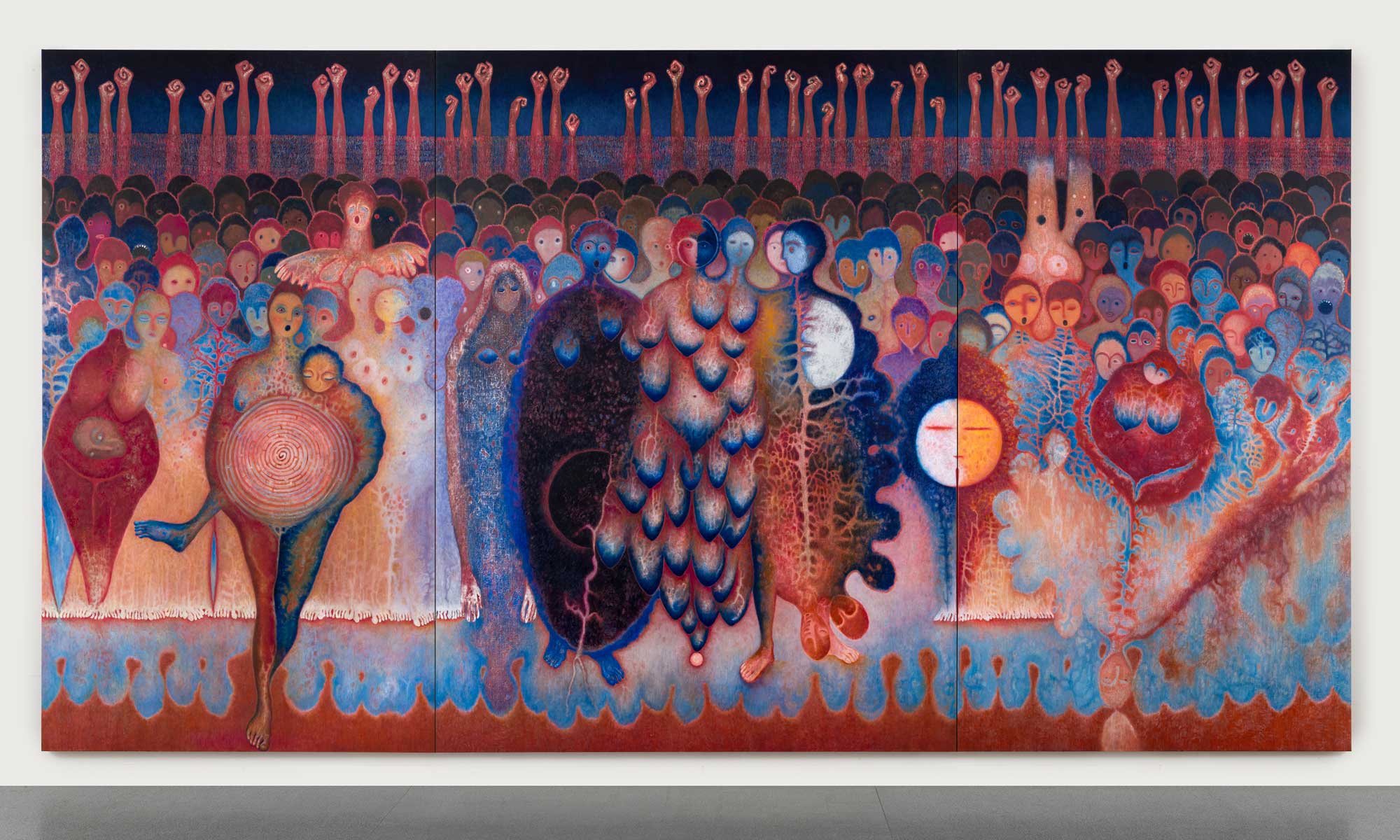
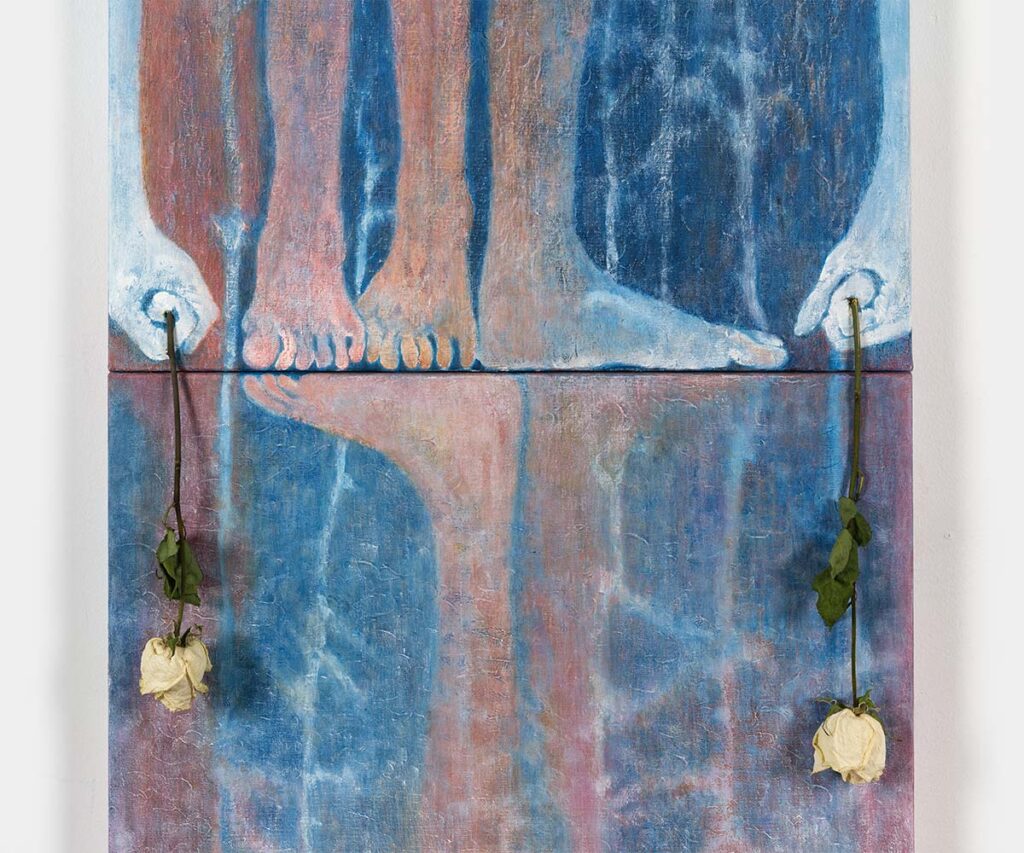
” (…) Before it was front and center of legislation or debate, the female body was where transformation happened. In Rabbia’s Transformers series, her figures stand composed of the many. Recognizing how responsible a community is for its collective hardships and its shared strength. The paintings carry that sense of physicality. Working often at a large scale on canvas, she scrapes paint away and presses her fingerprints with intention into pigment. Building her deeply personal surfaces over time, far from any sense of haste. These works are thus not illustrations of an idea. They are the idea made material. Traces of life left behind, presented at scale, where figures shift between the microscopic and the cosmic. The body, dwelling, anchored at both ends of the scale.” (Thom Oosterhof. Excerpt from Luisa Rabbia: Containing the Container, Tanya Leighton, Berlin, CAI Magazine, September 16, 2026)
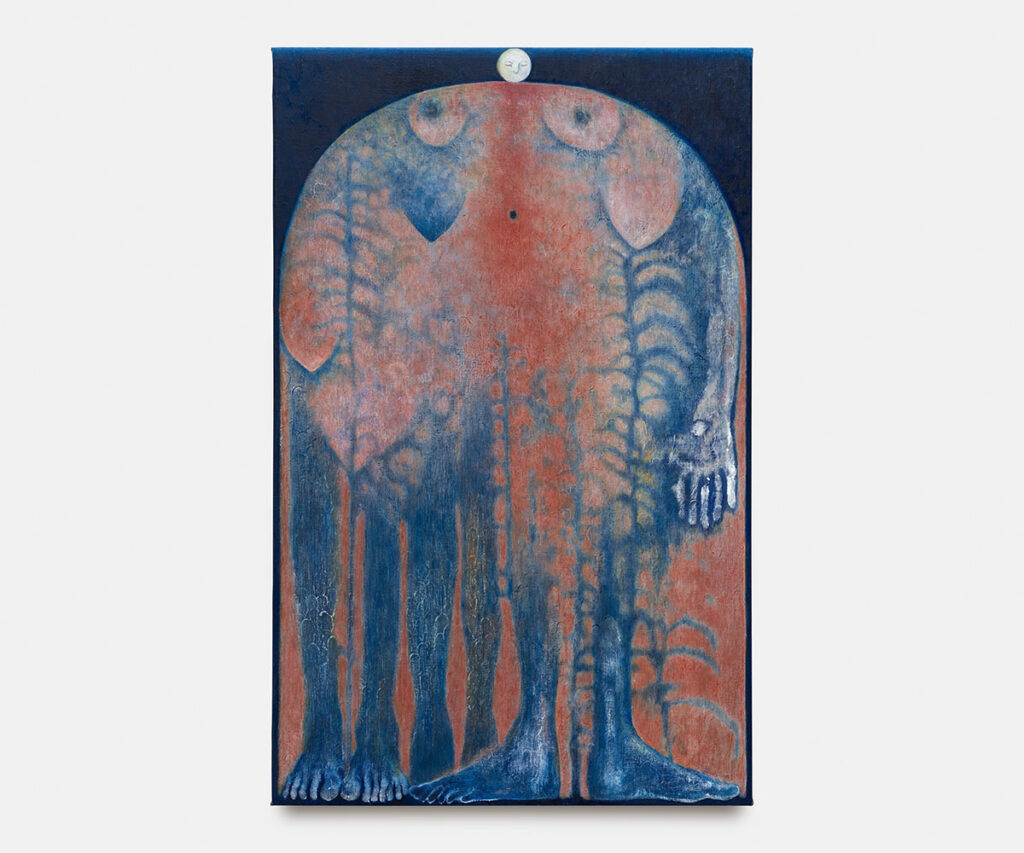
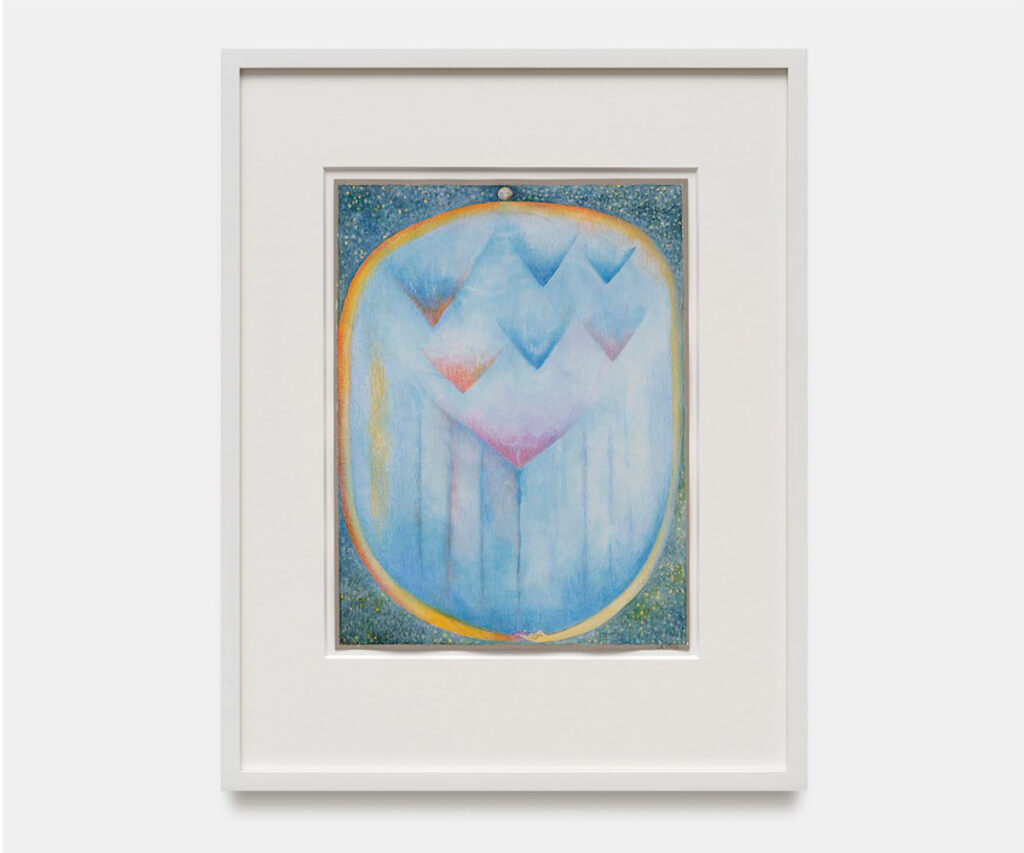
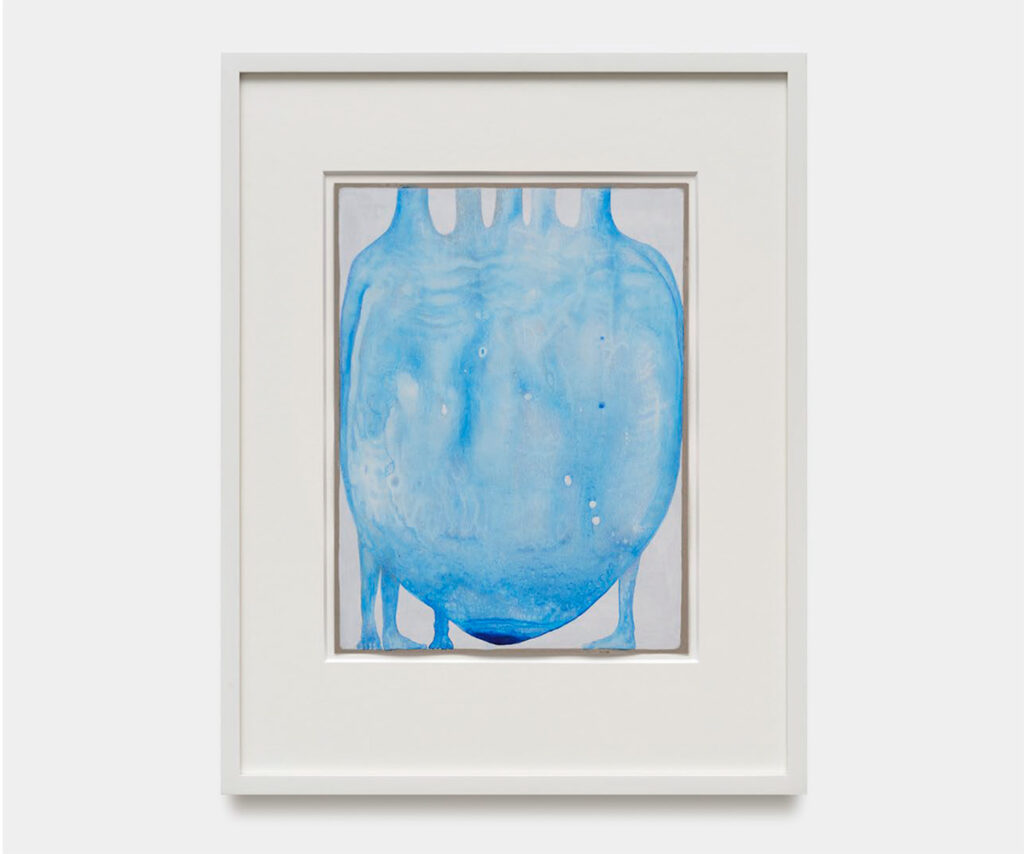
Whole, 2026, silverpoint pen, colored pencil, watercolor on prepared paper, 12 × 9 inches x 30.5 × 22 cm (unframed); 18¾ x 14¾ inches – 47.5 × 37.5 cm (framed)